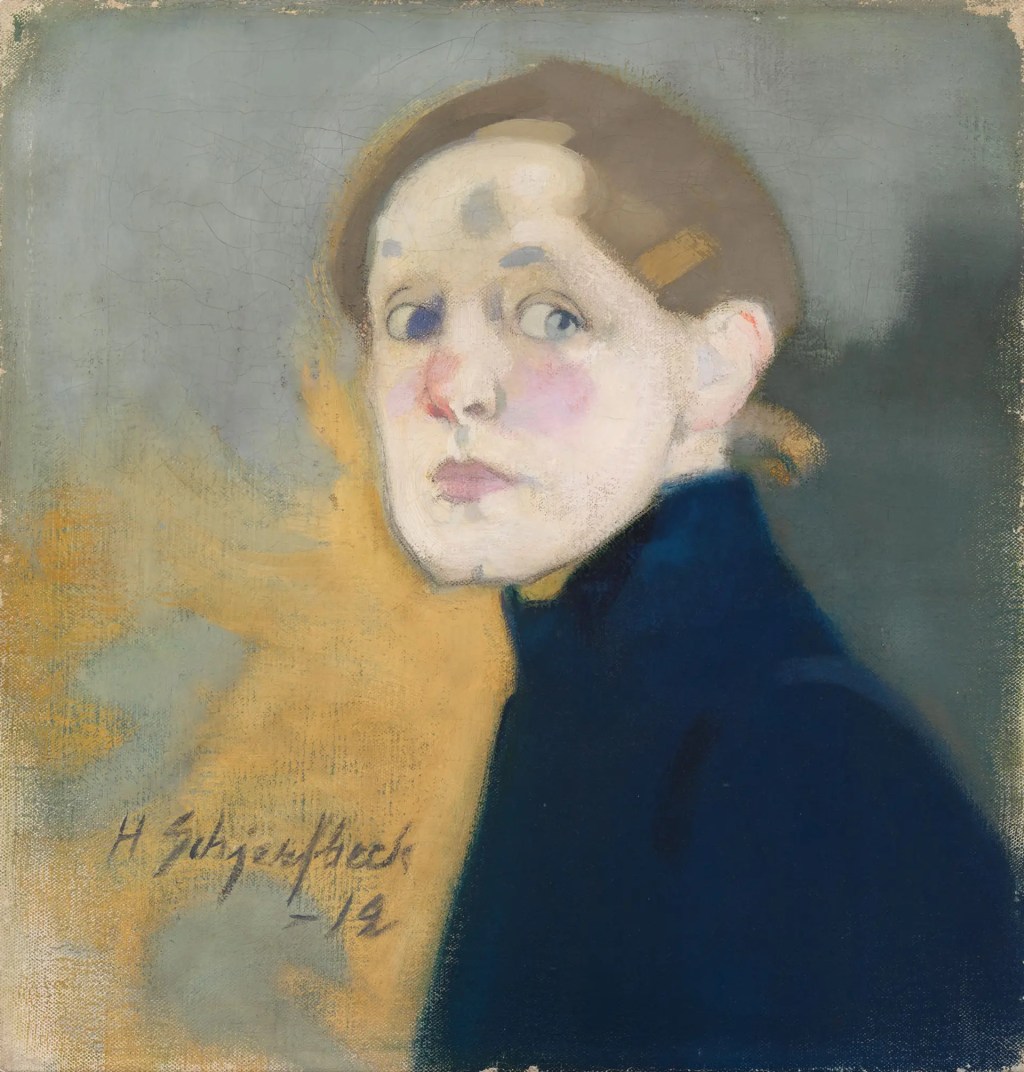
Helene Schjerfbeck (10 Temmuz 1862 – 23 Ocak 1946), Finlandiyalı ressam modern sanatın öncülerinden biridir. Özellikle portre çalışmalarıyla tanınan Schjerfbeck, hayatı boyunca sanatsal ifadesini sürekli geliştirmiş ve yenilikçi bir tarz benimsemiştir.
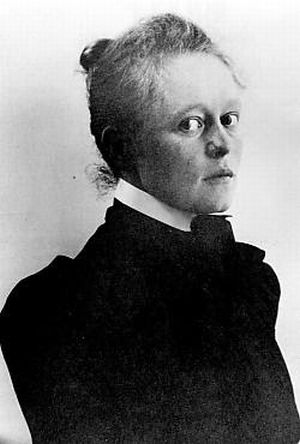
Helene, Finlandiya’nın Helsinki şehrinde doğdu. Henüz dört yaşındayken geçirdiği bir kaza sonucu kalçasını kırdı ve bu olay, hayatının geri kalanında hareket kabiliyetini kısıtladı. Sanat eğitimi almaya küçük yaşta başladı ve Helsinki’deki Sanat Topluluğu’nun çizim okuluna kabul edildi. Burada, yaşının ötesinde yetenekleri ile dikkat çekti.
Eğitim Ve Kariyer
Schjerfbeck, 1873’te Helsinki’deki Sanat Topluluğu’nun çizim okuluna kabul edildi. 1880’de, 18 yaşındayken Paris’e giderek Académie Colarossi’de eğitim aldı. Bu dönemde, zamanının önde gelen ressamlarıyla tanıştı ve onların etkisi altında kaldı.
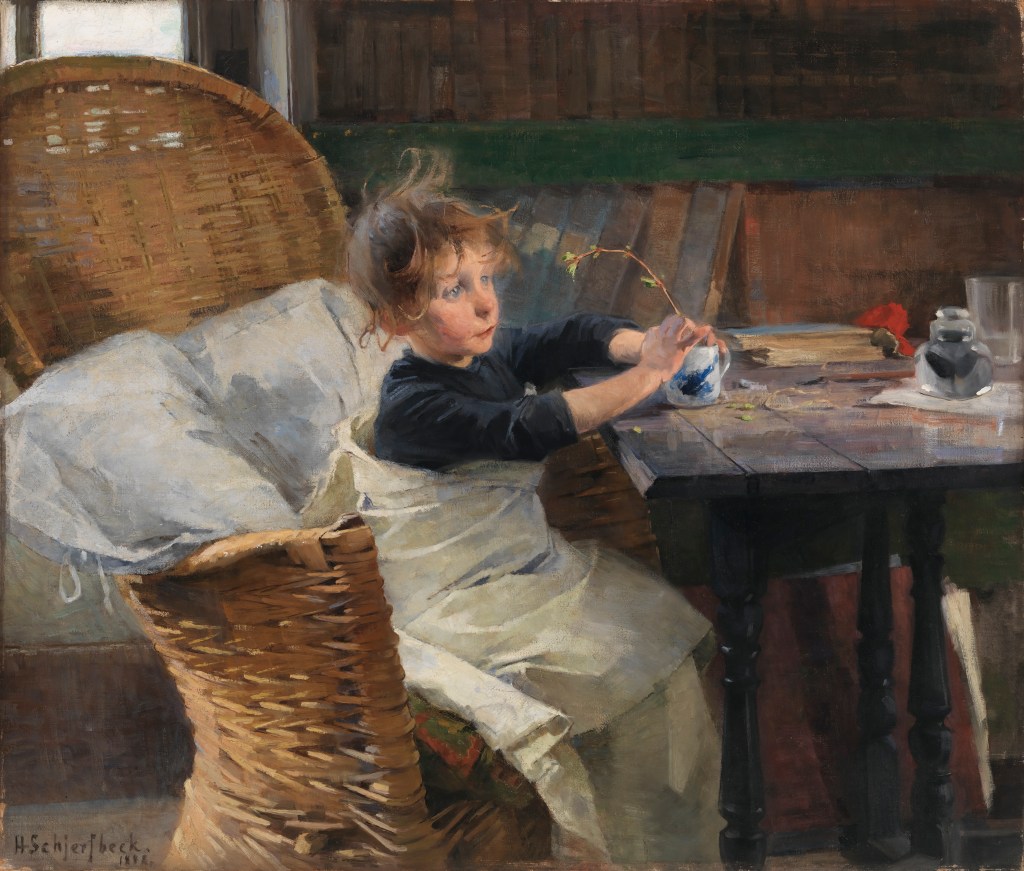
Paris’te geçirdiği yılların ardından, Finlandiya’ya döndü ve burada kariyerine devam etti. 1887’de The Convalescent adlı eseri ile büyük bir başarı elde etti. Bu eser, Paris Salon’unda sergilendi ve gümüş madalya kazandı. Bu başarı, Schjerfbeck’in kariyerinde önemli bir dönüm noktası oldu.
Sanat Anlayışı Ve Eserleri
Helene Schjerfbeck’in sanatı, zaman içinde önemli bir evrim geçirdi. İlk dönem eserlerinde akademik realizm etkisi görülürken, ilerleyen yıllarda daha modern ve soyut bir tarza yöneldi. Sanatında portreler, özellikle otoportreler, önemli bir yer tutar. Schjerfbeck, kendini farklı yaşlarda ve ruh hallerinde resmederek, izleyiciye derin bir içsel yolculuk sunar. Schjerfbeck’in erken dönem çalışmaları, akademik realizm etkisi taşıyordu. Bu dönemde Fransız Barbizon Okulu’nun ve İzlenimcilerin etkisinde kaldı. 1884’te, Fransa’nın Brittany bölgesinde çalıştı ve burada yaptığı çalışmalar, onu daha doğal ve spontane bir yaklaşıma yönlendirdi.
Modernizm Ve Kendi Tarzını Bulma
1890’ların sonlarına doğru, Schjerfbeck’in sanatı önemli bir dönüşüm geçirdi. Sağlık sorunları nedeniyle daha izole bir yaşam sürmeye başladı ve bu durum, sanatına daha kişisel ve içsel bir derinlik kattı. Bu dönemde, daha sade ve minimalist bir tarz benimsedi.
Öne Çıkan Eserleri:
The Convalescent (1888): Genç bir kızın iyileşme sürecini betimleyen bu eser, Schjerfbeck’in en tanınmış çalışmalarından biridir.
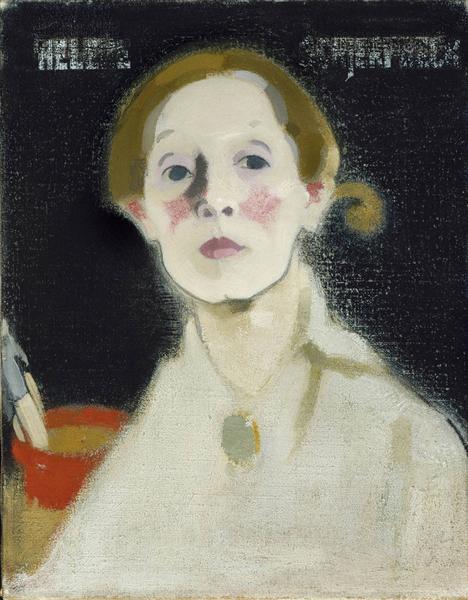
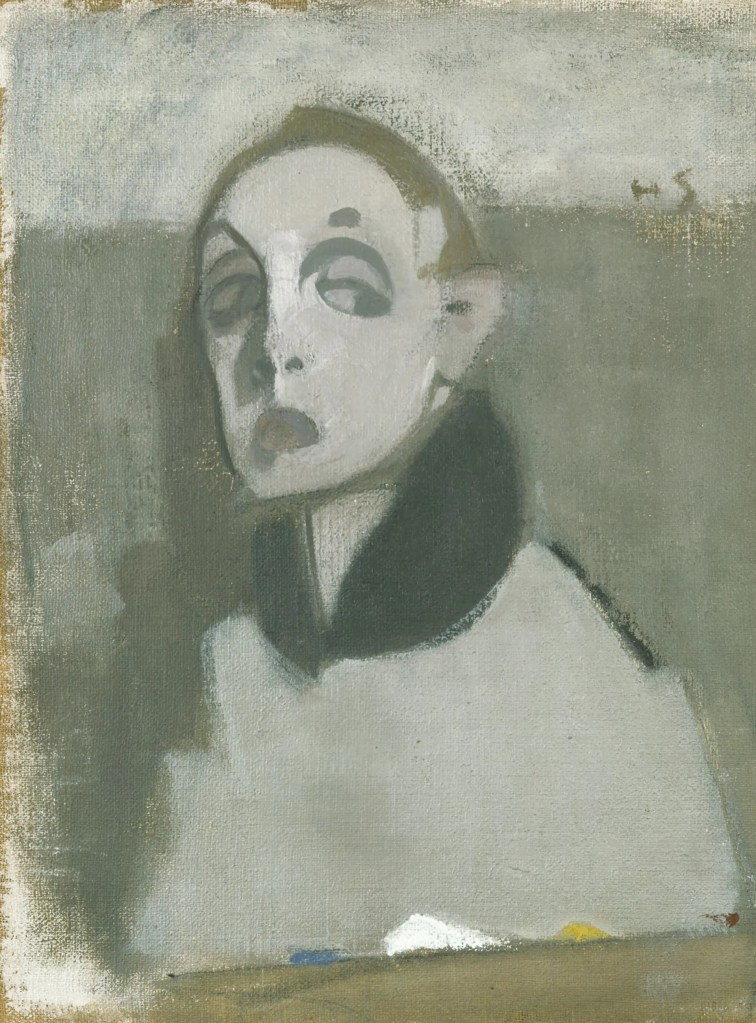
Self-Portrait with Black Background (1915): Sanatçının farklı yaşlarda kendini resmettiği otoportre serisinin bir parçasıdır. Schjerfbeck, kendini farklı yaşlarda ve ruh hallerinde resmederek izleyiciye derin bir içsel yolculuk sunar. Bu otoportre, sanatçının yaşlanma sürecini ve kişisel dönüşümünü yansıtır.
The Family Heirlooms (1915): Geleneksel aile değerlerini ve miraslarını konu alır. Bu eserde, aile bağları ve kişisel tarih temaları ön plandadır.
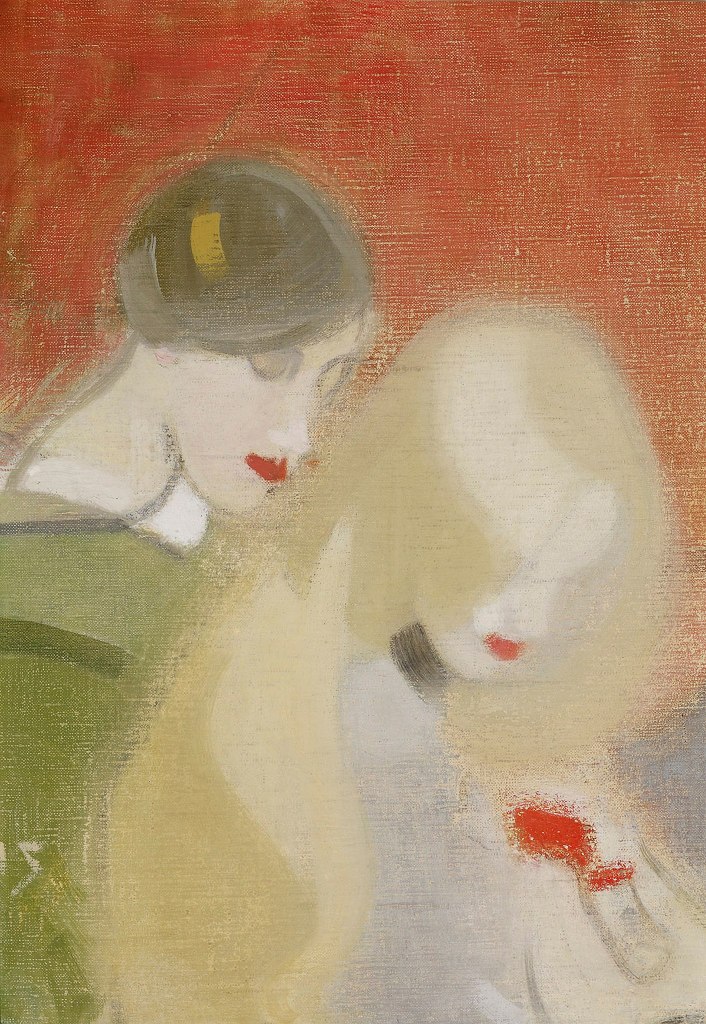
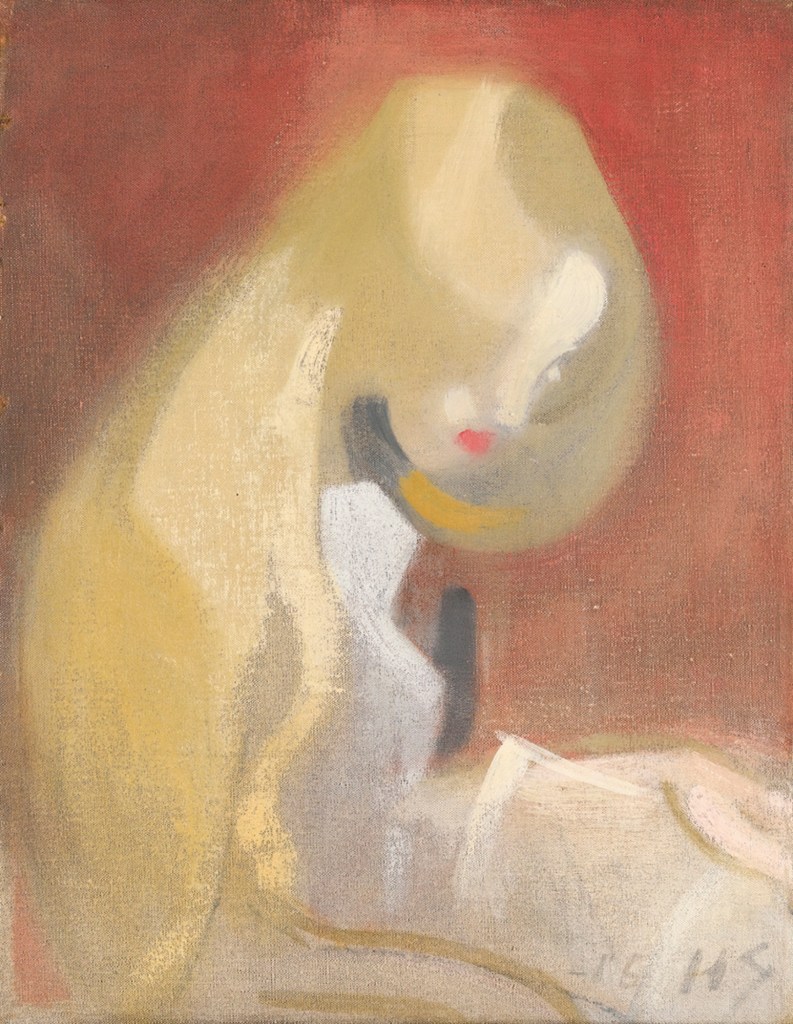
Girl with Blonde Hair (1916): Bu eser, sade ve minimalist tarzının güzel bir örneğidir. Genç bir kızı betimleyen bu portre, zarif ve dikkat çekici bir sadelik taşır.
Özel Hayatı Ve Kişisel Mücadeleleri
Helene Schjerfbeck, hayatı boyunca fiziksel rahatsızlıklar ve sağlık sorunlarıyla mücadele etti. Bu durum, onun daha izole bir yaşam sürmesine neden oldu. Ancak bu izolasyon, sanatına derin bir içgörü ve kişisel bir dokunuş kattı.
Helene Schjerfbeck, modern sanatın öncülerinden biri olarak anılmakta ve sanat dünyasında önemli bir figür olarak saygı görmektedir. Onun sanatı, hem kişisel hem de evrensel temaları derinlemesine keşfeden bir yolculuktur.
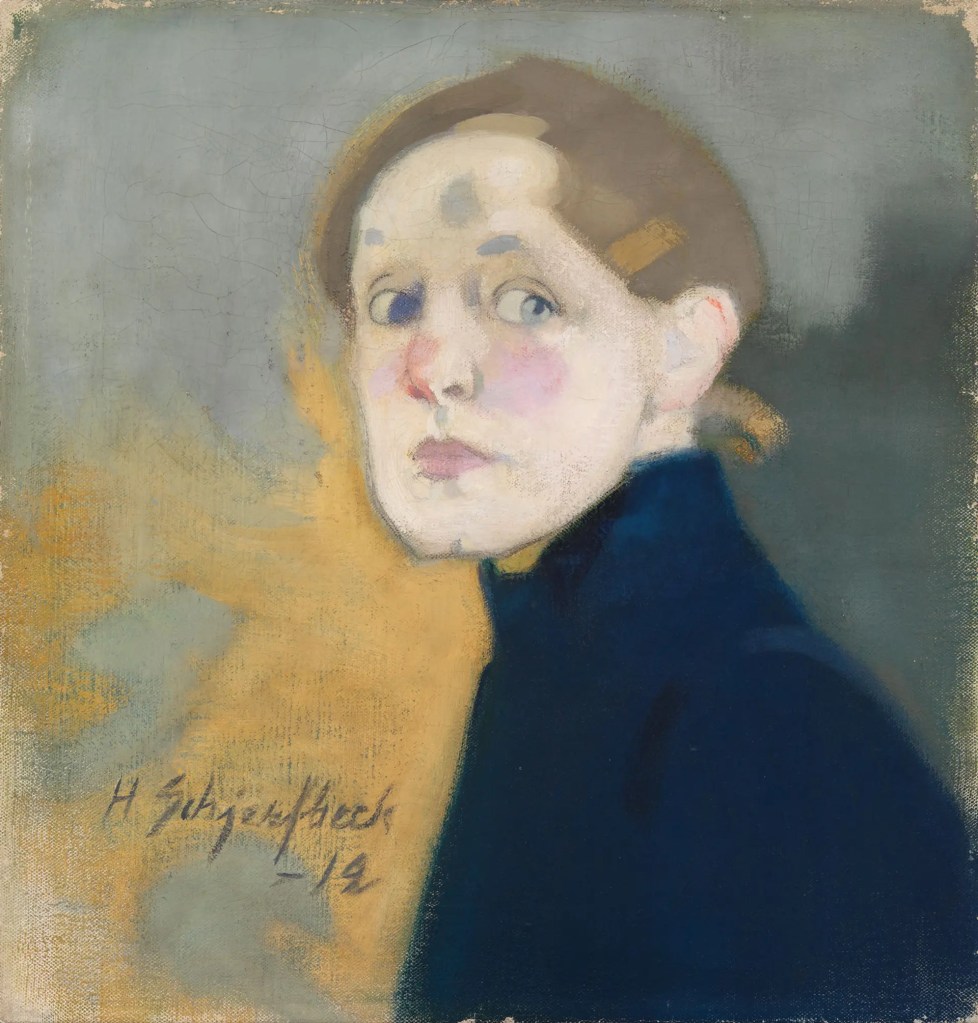
Helene Schjerfbeck, yaşamının büyük bir kısmını annesiyle birlikte küçük bir kasaba olan Hyvinkää’da geçirdi. Bu dönemde, daha çok portrelere odaklandı ve özellikle otoportreler yapmaya başladı. Bu otoportreler, sanatçının ruh halini, yaşlanma sürecini ve içsel dünyasını derinlemesine keşfettiği eserlerdir.

Aşk Ve İlişkiler
Helene Schjerfbeck’in aşk hayatı, oldukça karmaşık ve çalkantılıydı. Gençlik yıllarında, sanatçı Einar Reuter ile kısa süreli bir ilişki yaşadı. Ancak bu ilişki, uzun soluklu ve kalıcı olmadı. Einar Reuter, Schjerfbeck’in sanatını ve kişiliğini derinlemesine takdir eden biriydi ve Schjerfbeck’in çalışmalarına büyük ilgi gösterdi. Reuter, aynı zamanda Schjerfbeck hakkında yazılar yazan ve onun eserlerini tanıtan biriydi.
Schjerfbeck’in bir başka önemli ilişkisi, Fransız ressam Pierre Puvis de Chavannes ile oldu. Ancak bu ilişki de uzun sürmedi ve sanatçının yaşamına kalıcı bir etkisi olmadı.
Geç Dönem Ve Miras
Sanat hayatının büyük bir kısmını annesi Olga ile birlikte geçiren Schjerfbeck, Hyvinkää’daki küçük bir köyde yaşamını sürdürdü. Annesiyle birlikte yaşadığı bu dönemde, Schjerfbeck’in dış dünya ile olan etkileşimi sınırlıydı. Ancak bu izolasyon, onun sanatsal yaratım sürecine derinlemesine katkıda bulundu. Yalnızlık, onun sanatında içsel bir yolculuk yapmasını sağladı ve eserlerine derinlik kattı.
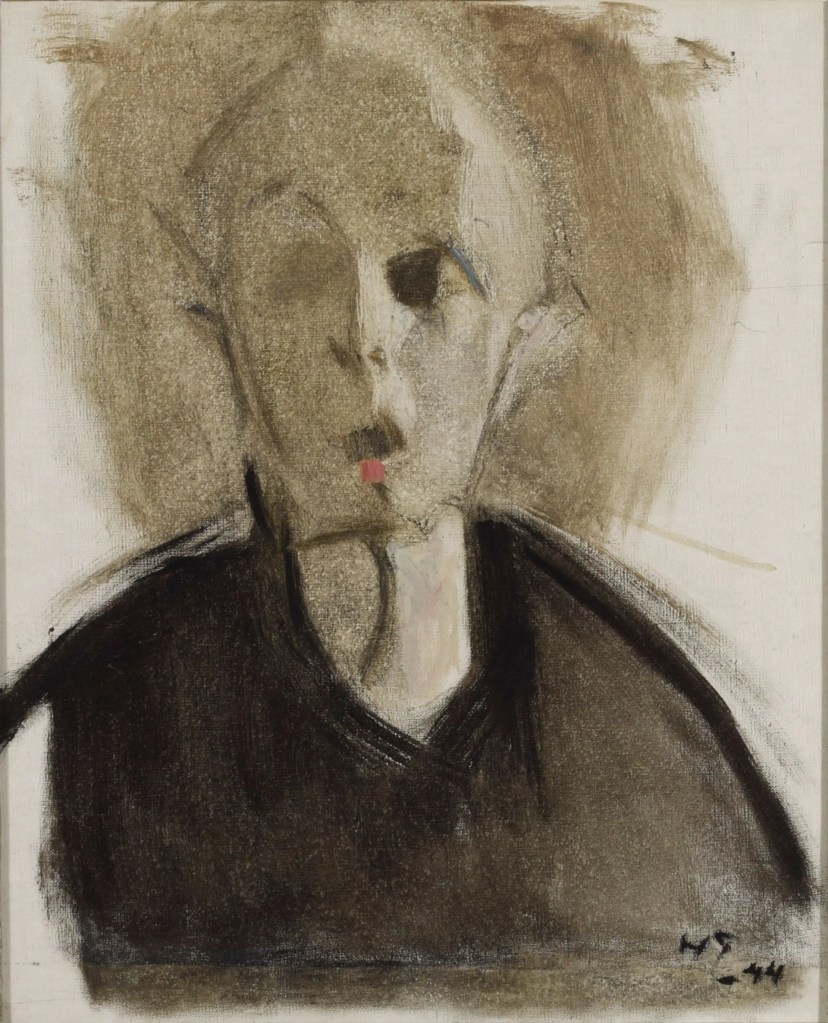
1930’larda, Schjerfbeck’in sağlığı daha da kötüleşti ve İsveç’e taşındı. Burada da üretkenliğini sürdürdü ve 1940’larda, sanat dünyasında hak ettiği tanınırlığı kazanmaya başladı. 23 Ocak 1946’da İsveç’te hayatını kaybetti.
Helene Schjerfbeck’in mirası, Finlandiya ve dünya sanat tarihinde önemli bir yere sahiptir. Onun sanatı, zamanının ötesinde bir derinlik ve yenilik taşır. Schjerfbeck’in eserleri, bugün hala müzelerde ve özel koleksiyonlarda büyük ilgi görmekte ve sanatseverler tarafından takdir edilmektedir.
Kaynakça
- Ahtola-Moorhouse, Leena. Helene Schjerfbeck. Helsinki: Finnish National Gallery, 1992.
- Hansson, Åsa. Helene Schjerfbeck: An Artist’s Life. Stockholm: Natur & Kultur, 2017.
- Langer, Cassandra. “Helene Schjerfbeck and the Finnish Modernist Movement.” Art Journal, vol. 62, no. 3, 2003, pp. 32-47.
- Salminen, Riitta Konttinen. Helene Schjerfbeck: Elämä ja Taide. Helsinki: Tammi, 2004.
- National Gallery of Finland. Helene Schjerfbeck: Retrospective Exhibition Catalogue. Helsinki: National Gallery of Finland, 2012.
- Tommila, Päivi. “The Evolution of Helene Schjerfbeck’s Artistic Style.” Scandinavian Art Review, vol. 15, no. 1, 2001, pp. 22-38.
- Ruohonen, Niina. The Art of Helene Schjerfbeck. Helsinki: Otava Publishing, 2010.
- Finlandiya Ulusal Galerisi, https://www.kansallisgalleria.fi/fi/helene-schjerfbeck
- WikiArt, https://www.wikiart.org/de/helene-schjerfbeck
In English: The Colors of Solitude: Helene Schjerfbeck’s Unique World
Helene Schjerfbeck (July 10, 1862 – January 23, 1946) was one of the pioneers of modern art from Finland. Known especially for her portrait work, Schjerfbeck continuously developed her artistic expression throughout her life and adopted an innovative style.
Helene was born in Helsinki, Finland. At the age of four, she broke her hip in an accident, which limited her mobility for the rest of her life. She began her art education at a young age and was accepted into the drawing school of the Finnish Art Society in Helsinki. Here, she attracted attention with her talents beyond her years.
Education and Career
Schjerfbeck was accepted into the drawing school of the Finnish Art Society in Helsinki in 1873. In 1880, at the age of 18, she went to Paris and studied at Académie Colarossi. During this period, she met some of the leading painters of her time and was influenced by them.
After her years in Paris, she returned to Finland and continued her career there. In 1887, she achieved significant success with her work “The Convalescent.” This piece was exhibited at the Paris Salon and won a silver medal. This success marked an important turning point in Schjerfbeck’s career.
Artistic Approach and Works
Helene Schjerfbeck’s art underwent significant evolution over time. While her early works reflect academic realism, she later turned to a more modern and abstract style. Portraits, especially self-portraits, hold a significant place in her art. By depicting herself at different ages and moods, Schjerfbeck offers the viewer a deep inner journey.
Her early works were influenced by academic realism. During this period, she was influenced by the French Barbizon School and the Impressionists. In 1884, she worked in the Brittany region of France, and her work there led her to a more natural and spontaneous approach.
Modernism and Finding Her Own Style
Towards the end of the 1890s, Schjerfbeck’s art underwent a significant transformation. Due to health problems, she began to lead a more isolated life, which added a more personal and introspective depth to her art. During this period, she adopted a simpler and more minimalist style.
Notable Works:
The Convalescent (1888): This work, depicting the recovery process of a young girl, is one of Schjerfbeck’s most well-known pieces.
Self-Portrait with Black Background (1915): Part of a series in which the artist depicted herself at different ages. Schjerfbeck offers the viewer a deep inner journey by portraying herself at various ages and moods. This self-portrait reflects the aging process and personal transformation of the artist.
The Family Heirlooms (1915): This work focuses on traditional family values and heirlooms. Themes of family bonds and personal history are prominent in this piece.
Girl with Blonde Hair (1916): This piece is a beautiful example of her simple and minimalist style. This portrait of a young girl carries an elegant and striking simplicity.
Personal Life and Struggles
Throughout her life, Helene Schjerfbeck battled physical ailments and health issues. This led her to lead a more isolated life. However, this isolation added deep insight and a personal touch to her art.
Helene Schjerfbeck is remembered as one of the pioneers of modern art and is respected as an important figure in the art world. Her art is a journey that deeply explores both personal and universal themes.
Schjerfbeck spent a significant part of her life with her mother in the small town of Hyvinkää. During this period, she focused more on portraits, especially self-portraits. These self-portraits are works in which the artist deeply explores her state of mind, aging process, and inner world.
Love and Relationships
Helene Schjerfbeck’s love life was quite complicated and turbulent. In her youth, she had a brief relationship with artist Einar Reuter. However, this relationship was neither long-lasting nor permanent. Einar Reuter deeply appreciated Schjerfbeck’s art and personality and took a great interest in her works. Reuter also wrote about Schjerfbeck and promoted her works.
Another significant relationship in Schjerfbeck’s life was with French painter Pierre Puvis de Chavannes. However, this relationship was also short-lived and did not have a lasting impact on her life.
Late Period and Legacy
Schjerfbeck spent a significant part of her artistic life with her mother Olga in the small village of Hyvinkää. During this period, her interaction with the outside world was limited. However, this isolation significantly contributed to her artistic creation process. Solitude allowed her to embark on an inner journey, adding depth to her works.
In the 1930s, Schjerfbeck’s health deteriorated further, and she moved to Sweden. There, she continued her productivity and began to receive the recognition she deserved in the art world during the 1940s. She passed away in Sweden on January 23, 1946.
Helene Schjerfbeck’s legacy holds an important place in Finnish and world art history. Her art carries a depth and innovation beyond its time. Schjerfbeck’s works are still highly regarded in museums and private collections today and are appreciated by art lovers.

 Sanat, tarih, arkeoloji ve kültürel deneyim içerir.