Rönesans dönemi, sanatın yalnızca bir yaratım süreci olmanın ötesine geçerek ticaret, politika ve statü sembolizmiyle iç içe geçtiği bir dönemdir. Bu dönemde, sanat eseri koleksiyonerliği büyük bir prestij kazanmış, koleksiyonerler hem sanatı hem de kendilerini topluma tanıtmanın bir yolu olarak eser toplamaya başlamışlardır. Medici ailesinden Vatikan’a, tüccarlardan kraliyet ailelerine kadar birçok etkili isim, sanat eserlerine sahip olmanın toplumsal ve ekonomik getirisini fark etmiş ve sanat piyasasının gelişiminde önemli rol oynamıştır. Bu yazıda, Rönesans döneminde kimlerin sanat eserlerini topladığını, hangi eserlerin revaçta olduğunu ve bu koleksiyonerliğin ardındaki motivasyonları ele alacağız.
Rönesans Koleksiyonerliğinin Yükselişi
Rönesans döneminin İtalya’da başlamasıyla birlikte sanat, bilim ve kültürel uyanışta yaşanan gelişmeler sanat eserlerinin değerini artırdı. Bu dönemde sanat eserleri, zenginlik ve sosyal statünün bir göstergesi olarak kabul edilmeye başlandı. Koleksiyonerler, evlerinin duvarlarını süslemekle kalmayıp aynı zamanda gücün ve entelektüel birikimin sembollerini sergiliyordu.
1. Koleksiyoner Profili ve Motivasyonları
Rönesans’ın en önde gelen koleksiyonerleri arasında kraliyet aileleri, papalar, soylular ve zengin tüccarlar yer alıyordu. En ünlü örneklerden biri olan Medici ailesi, Floransa’daki sanatsal hareketin kalbinde yer alarak sanatçılara büyük destek sağlamıştır. Cosimo de’ Medici ve Lorenzo de’ Medici gibi isimler, yalnızca sanat eserleri toplamakla kalmayıp aynı zamanda sanatçılara himaye sunarak onların özgürce yaratmalarına olanak tanımışlardır. Bu himayecilik, Rönesans sanatının gelişiminde hayati bir rol oynamıştır.
Koleksiyonerlerin motivasyonları genellikle şu nedenlerden kaynaklanıyordu:
- Statü ve Prestij: Sanat eserlerine sahip olmak, yüksek sosyal statüyü simgeliyordu. Birçok koleksiyoner, sanatı gücün ve zenginliğin göstergesi olarak görüyordu.
- Dini İnançlar: Vatikan, kiliseler ve din adamları, sanat eserlerini dini hikâyeleri anlatmak ve ibadet yerlerini süslemek için topluyorlardı. Papa II. Julius, Michelangelo ve Raphael gibi sanatçılara büyük işler sipariş eden önemli bir koleksiyonerdi.
- Eğitim ve Entelektüel Birikim: Koleksiyon yapmak, entelektüel bir faaliyet olarak da görülüyordu. Birçok Rönesans insanı, antik dönemden ilham alarak, sanat eserlerini bir tür bilgi kaynağı olarak değerlendiriyordu.
2. Koleksiyonlarda Tercih Edilen Eser Türleri
Koleksiyonerlerin ilgisini çeken sanat eserleri büyük ölçüde dönemin estetik zevklerine ve sosyal normlarına bağlıydı. Rönesans döneminde en çok tercih edilen eserler şunlardı:
- Resim ve Heykel: Rönesans resimleri, özellikle portreler ve dini sahneler, en çok rağbet gören eser türleriydi. Örneğin, Leonardo da Vinci’nin “Mona Lisa” ve Michelangelo’nun “Davut” heykeli, dönemin sanat beğenisinin zirvelerini temsil ediyordu.
- Antik Eserler ve Klasik Heykeller: Rönesans dönemi koleksiyonerleri, antik Roma ve Yunan heykellerine büyük ilgi duyuyorlardı. Bu eserler, geçmişle olan bağlantıyı simgelerken aynı zamanda estetik mükemmelliği temsil ediyordu.
- El Yazmaları ve Kitaplar: Bilim ve sanata olan ilgi, nadir kitaplar ve el yazmalarının toplanmasına da yol açtı. Özellikle hümanist koleksiyonerler, antik metinlerin kopyalarını bulmak ve korumak konusunda büyük bir tutkuyla hareket ediyorlardı.
3. Sanat Piyasasının Gelişimi ve Tüccarların Rolü
Rönesans dönemi, yalnızca koleksiyonerlerin değil, aynı zamanda sanat tüccarlarının da ön plana çıktığı bir dönemdi. Sanat eserlerinin alınıp satılması, büyük bir ticari faaliyet haline geldi. Sanat piyasasında etkin olan tüccarlar, eserlere ulaşılabilirliği artırarak sanatın geniş kitlelere yayılmasına yardımcı oldular.
Floransa, Venedik ve Roma gibi şehirler, sanatın merkezi haline gelirken, bu şehirlerdeki pazarlarda sanat eserleri sergileniyor ve satılıyordu. Bu gelişme, sanatçıların da ekonomik olarak güçlenmesine ve bağımsızlık kazanmasına olanak sağladı. Özellikle Venedik, sanat eserlerinin satışı için önemli bir liman kenti haline geldi ve burada bir sanat eseri pazarının oluşmasına öncülük etti.
Rönesans dönemi, sanat koleksiyonerliğinin yalnızca bir hobi olmaktan çıkarak ekonomik, politik ve sosyal bir güç simgesi haline geldiği bir dönemdir. Bu dönemdeki koleksiyonerler, sanatı sadece kişisel bir beğeni nesnesi olarak değil, aynı zamanda bir statü göstergesi ve güç kaynağı olarak değerlendirdiler. Kraliyet ailelerinden tüccarlara kadar geniş bir yelpazede koleksiyonerler, sanat piyasasının gelişiminde önemli rol oynadılar ve sanatı erişilebilir kıldılar. Koleksiyonerlik, sanat eserlerinin değerini artırırken aynı zamanda Rönesans sanatının zenginleşmesine de büyük katkı sağladı.
Medici Ailesi
Floransa’nın en güçlü ailelerinden biri olan Medici’ler, Michelangelo, Donatello ve Botticelli gibi sanatçılara verdikleri destekle bilinir. Cosimo de’ Medici’nin kütüphanesi, antik el yazmalarından oluşan eşsiz bir koleksiyondu.
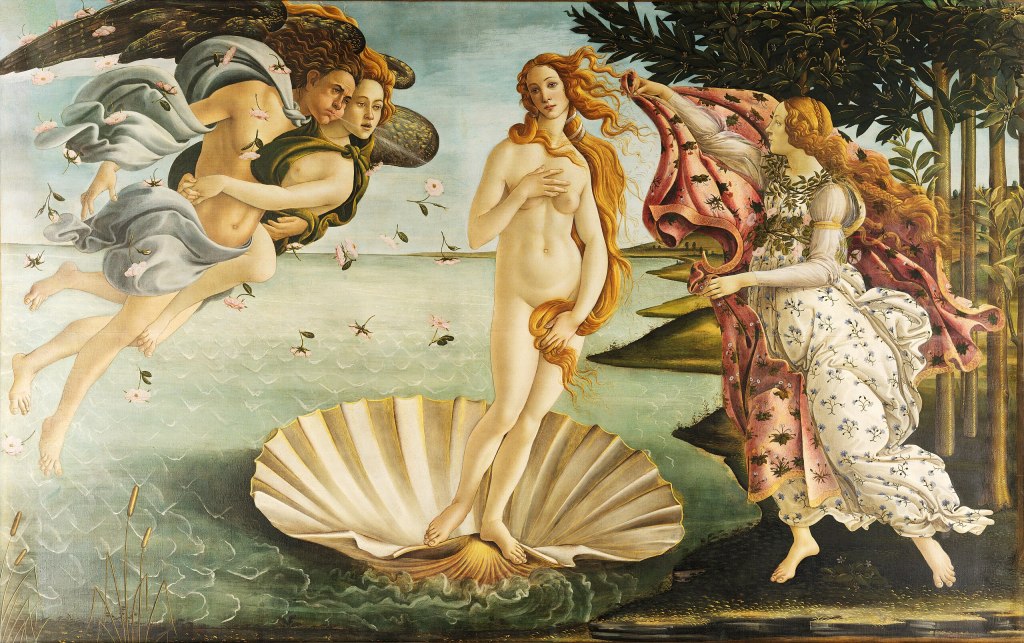
Sandro Botticelli, “The Birth of Venus” (1485-1486): Lorenzo de’ Medici’nin kuzeni Lorenzo di Pierfrancesco için sipariş edilen bu eser, mitolojik konusuyla dönemin sanatsal eğilimlerini yansıtır.
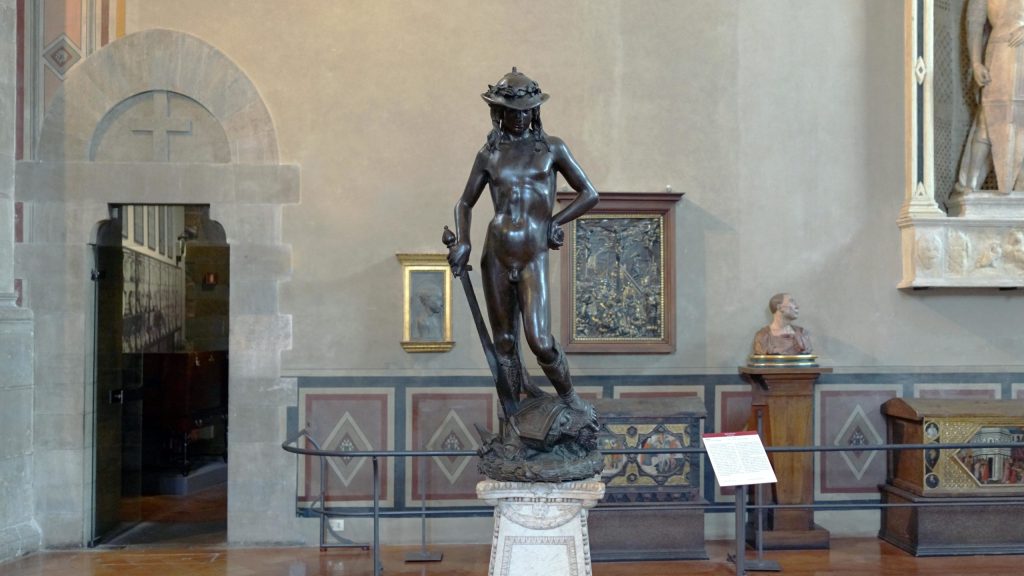
Donatello, “David” (1440’lar): Cosimo de’ Medici için yapılan bu bronz heykel, Floransa’da Medici Sarayı’nda sergilendi. İlk defa çıplak bir erkek figürünün, kahramanlık temasıyla birleştirildiği bir eser olması, dönemin cesur sanatsal yaklaşımını gösterir.
Filippo Lippi, “Madonna and Child with Two Angels” (1465): Piero de’ Medici tarafından sipariş edilen bu eser, Floransa’daki Medici ailesinin kişisel şapelinde sergilendi ve dönemin dini betimlemelerine modern bir yaklaşım getirdi.

Papa II. Julius
Rönesans döneminin en etkili papalarından biri olan II. Julius, Vatikan’ı bir sanat merkezi haline getirerek Michelangelo’ya Sistine Şapeli tavanını boyattı ve Raphael’e Vatikan odalarını süsletti.
Michelangelo, “Sistine Şapeli Tavanı” (1508-1512): Papa II. Julius, Michelangelo’dan Sistine Şapeli’nin tavanını boyamasını istedi. Bu kapsamlı çalışma, Adem’in Yaratılışı ve diğer İncil sahnelerini içerir ve Rönesans sanatının zirve noktalarından biri olarak kabul edilir.
.jpg)
Raphael, “The School of Athens” (1509-1511): Papa II. Julius tarafından Vatikan’daki Raphael Odaları için sipariş edilen bu fresk, antik filozofları ve bilim insanlarını idealize ederek, Rönesans’ın hümanist düşünce dünyasını yansıtır.

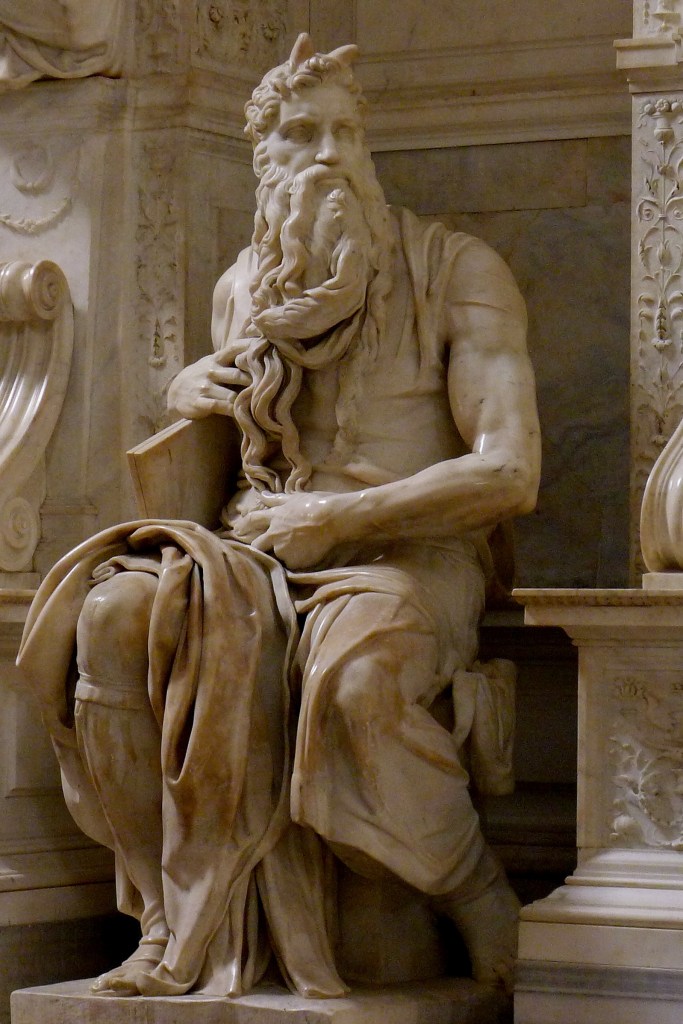
Michelangelo, “Musa Heykeli” (1513-1515): Papa II. Julius’un mezar anıtı için yapılan bu heykel, heykeltıraşın en önemli çalışmalarından biridir. Musa’nın güçlü duruşu, Michelangelo’nun insan anatomisi konusundaki ustalığını sergiler.
Isabella d’Este
Mantua Düşesi Isabella d’Este, dönemin en önemli kadın koleksiyonerlerinden biriydi ve özellikle antik Roma eserleri ile portreleri koleksiyonuna eklemiştir.
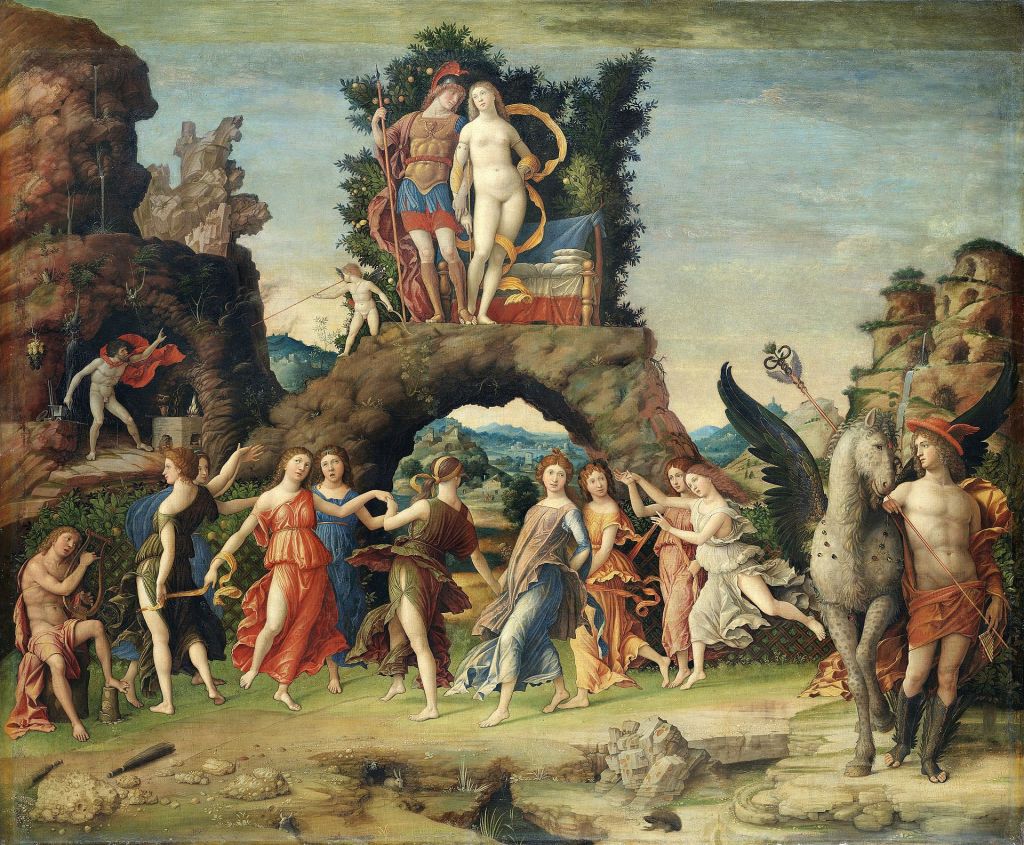
Andrea Mantegna, “Parnassus” (1497): Isabella d’Este, sarayını süslemek üzere Mantegna’dan bu eseri sipariş etti. Eser, mitolojik sahneleriyle bilinir ve Isabella’nın sanatsal zevkini yansıtan sembolik bir çalışmadır.
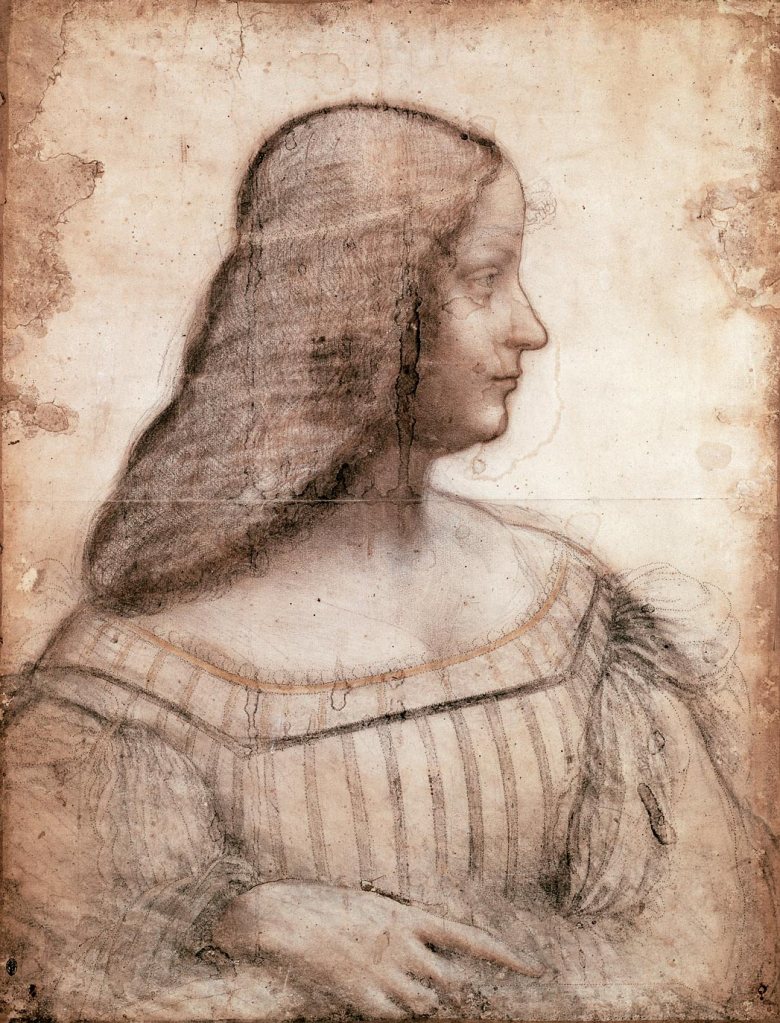
Leonardo da Vinci, “Portrait of Isabella d’Este” (1500): Leonardo’dan sipariş edilen ve günümüzde sadece çizim halinde kalan bu portre, Rönesans’ın güçlü kadın patronlarından birinin betimlenmesini içerir.
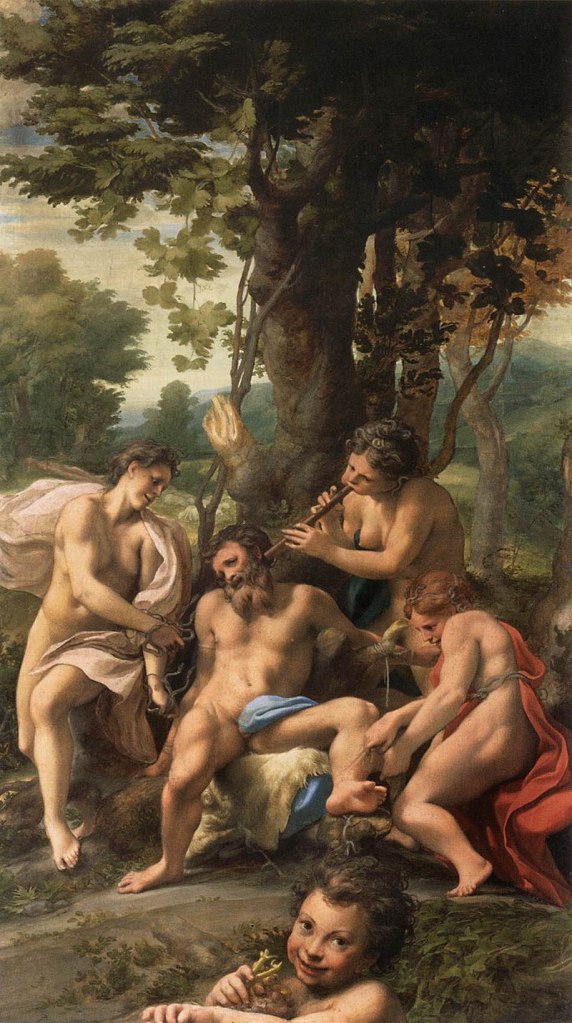
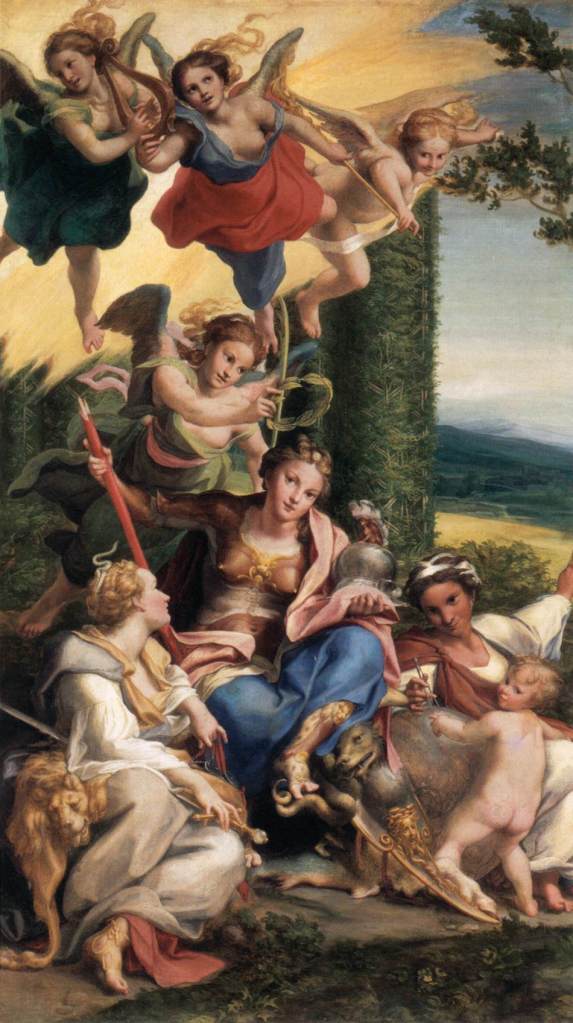
Correggio, “Allegory of Virtue” ve “Allegory of Vice” (1528-1530): Isabella d’Este, bu iki alegorik tabloyu kişisel koleksiyonu için sipariş etti. Bu eserler, dönemin sanatsal üslubunu ve alegorik anlatım tarzını yansıtır.
Leonardo da Vinci’nin Siparişleri
“The Last Supper” (1495-1498): Milano Dükü Ludovico Sforza tarafından Santa Maria delle Grazie manastırı için sipariş edilen bu fresk, Rönesans sanatının en önemli dini eserlerinden biridir. Kompozisyonu ve ışık kullanımıyla dikkat çeker.

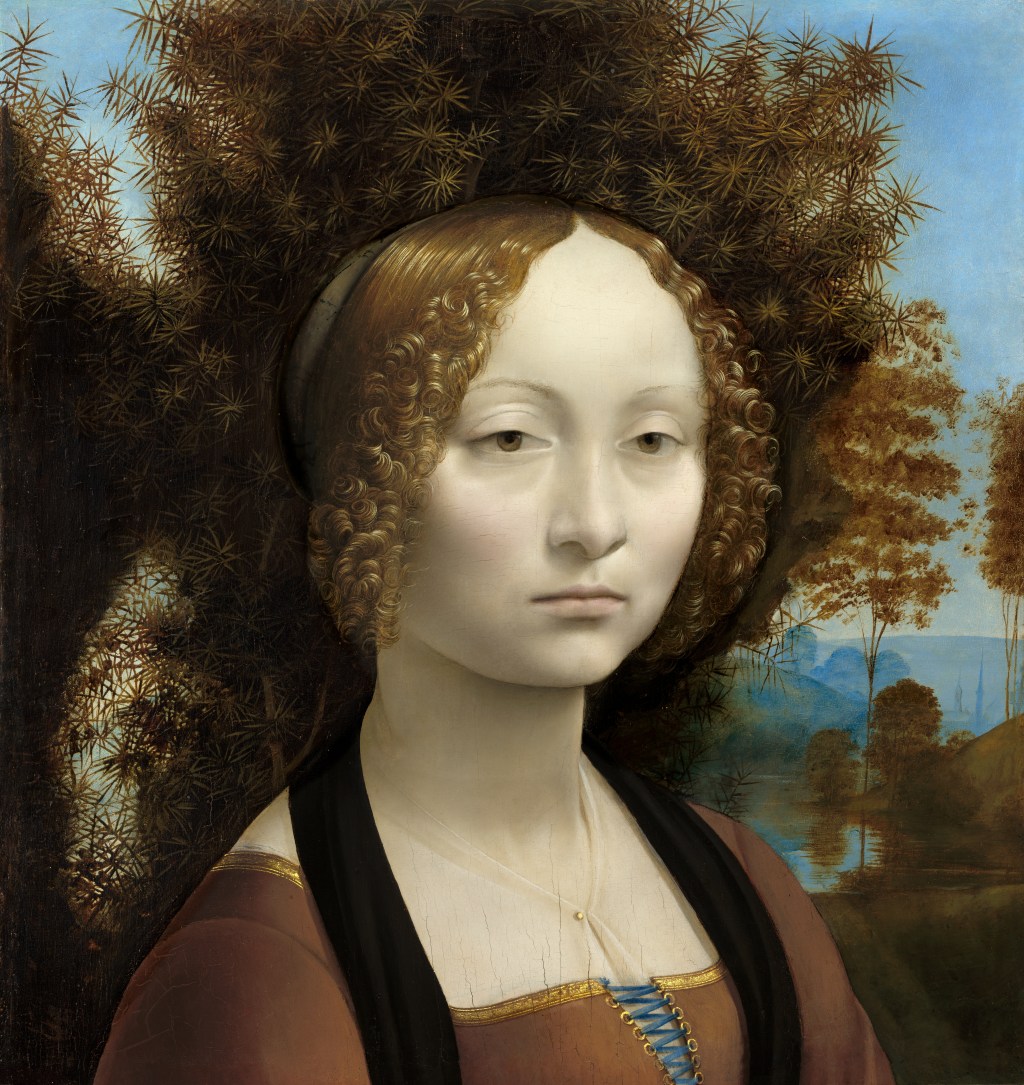
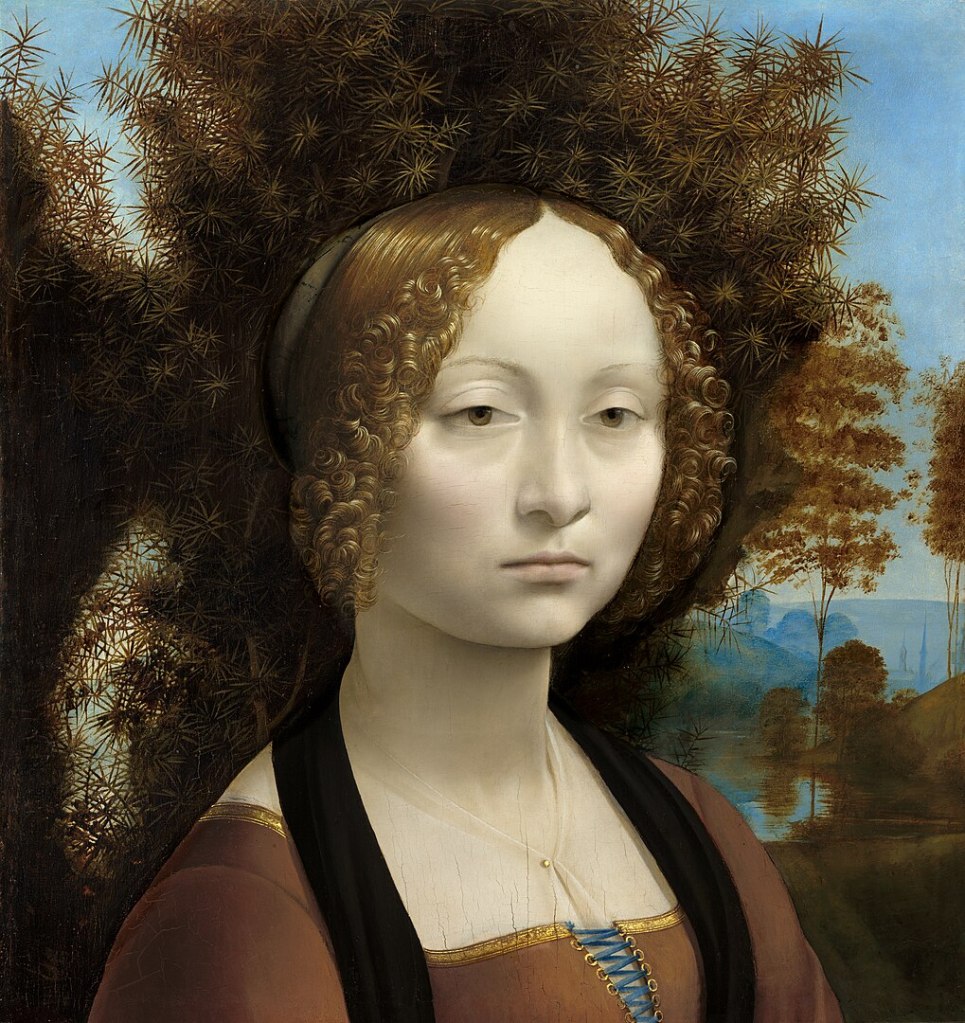
“Ginevra de’ Benci” (1474-1478): Floransalı zengin bir banker olan Amerigo Vespucci tarafından sipariş edilen bu portre, Leonardo’nun erken dönem çalışmalarından biridir ve o dönemin aristokrat kadın portrelerine özgü zarif bir örnektir.
Collecting and the Art Market in the Renaissance: Who Collected What and Why?
The Renaissance was a period when art transcended beyond creation, intertwining with commerce, politics, and social status. During this time, art collecting became a prestigious activity, with collectors viewing artworks as a way to present both art and themselves to society. Influential figures—from the Medici family to the Vatican, from merchants to royal families—recognized the social and economic value of owning art and played significant roles in the development of the art market. In this article, we will explore who the art collectors of the Renaissance were, which artworks were in demand, and the motivations behind this burgeoning culture of collecting.
The Rise of Collecting in the Renaissance
As the Renaissance began in Italy, the rise of art, science, and cultural awakening elevated the value of artworks. Art became a symbol of wealth and social status, with collectors using it to adorn their homes and display their power and intellectual prowess.
1. The Profile and Motivations of Collectors
The leading collectors of the Renaissance included royalty, popes, nobility, and wealthy merchants. The Medici family, for example, was at the heart of Florence’s artistic movement, providing significant patronage to artists. Figures like Cosimo de’ Medici and Lorenzo de’ Medici not only collected artworks but also supported artists, allowing them to create freely. This patronage was crucial to the development of Renaissance art.
Collectors’ motivations were driven by various factors:
- Status and Prestige: Owning art was a symbol of high social standing. Many collectors viewed art as a testament to their power and wealth.
- Religious Beliefs: The Vatican, churches, and clergy collected art to depict religious stories and decorate places of worship. Pope Julius II was a notable collector who commissioned significant works from Michelangelo and Raphael.
- Education and Intellectual Pursuit: Collecting was also seen as an intellectual activity. Inspired by antiquity, many Renaissance figures viewed artworks as sources of knowledge.
2. Types of Artworks Favored in Collections
The artworks that captured collectors’ interest were largely influenced by the aesthetic tastes and social norms of the time. The most favored types of art in the Renaissance included:
- Paintings and Sculptures: Renaissance paintings, especially portraits and religious scenes, were highly sought after. Leonardo da Vinci’s “Mona Lisa” and Michelangelo’s “David” represented the pinnacle of the era’s artistic taste.
- Antique Artifacts and Classical Sculptures: Collectors showed great interest in ancient Roman and Greek sculptures, which symbolized a connection to the past and embodied aesthetic perfection.
- Manuscripts and Books: Interest in science and art also led to the collection of rare books and manuscripts. Humanist collectors were particularly passionate about finding and preserving copies of ancient texts.
3. The Development of the Art Market and the Role of Merchants
The Renaissance was not only a time for collectors but also a period when art dealers came to the forefront. The buying and selling of art became a significant commercial activity. Art dealers played a crucial role in making artworks accessible, helping art reach broader audiences.
Cities like Florence, Venice, and Rome became centers of art, with artworks displayed and sold in their markets. This development enabled artists to gain financial independence. Venice, in particular, became a major port city for art sales and was instrumental in establishing an art marketplace.
The Renaissance was a time when art collecting evolved from a mere hobby into a symbol of economic, political, and social power. Collectors of this era valued art not only as objects of personal taste but also as symbols of status and authority. From royal families to merchants, collectors played a significant role in shaping the art market and made art more accessible. Collecting increased the value of artworks and significantly contributed to the richness of Renaissance art.
The Medici Family
One of Florence’s most powerful families, the Medicis supported artists such as Michelangelo, Donatello, and Botticelli. Cosimo de’ Medici’s library was an unparalleled collection of ancient manuscripts.
- Sandro Botticelli, “The Birth of Venus” (1485-1486): Commissioned by Lorenzo di Pierfrancesco, cousin of Lorenzo de’ Medici, this painting reflects the period’s artistic trends with its mythological themes.
- Donatello, “David” (1440s): Created for Cosimo de’ Medici, this bronze statue was displayed in the Medici Palace in Florence. It was the first freestanding nude male statue since antiquity and represented the daring artistic approach of the time.
- Filippo Lippi, “Madonna and Child with Two Angels” (1465): Commissioned by Piero de’ Medici, this painting was displayed in the Medici family chapel in Florence and introduced a modern approach to religious depiction.
Pope Julius II
One of the most influential popes of the Renaissance, Julius II turned the Vatican into a center of art, commissioning Michelangelo to paint the Sistine Chapel ceiling and Raphael to decorate the Vatican rooms.
- Michelangelo, “Sistine Chapel Ceiling” (1508-1512): Commissioned by Pope Julius II, Michelangelo painted the ceiling of the Sistine Chapel, including iconic scenes such as The Creation of Adam. This masterpiece is one of the pinnacles of Renaissance art.
- Raphael, “The School of Athens” (1509-1511): Commissioned for the Vatican’s Raphael Rooms, this fresco depicts ancient philosophers and scientists, encapsulating the humanist ideals of the Renaissance.
- Michelangelo, “Moses” (1513-1515): This sculpture, created for Pope Julius II’s tomb, is one of Michelangelo’s most important works, showcasing his mastery of human anatomy and dramatic expression.
Isabella d’Este
Duchess of Mantua, Isabella d’Este was one of the most significant female collectors of her time, adding Roman antiquities and portraits to her collection.
- Andrea Mantegna, “Parnassus” (1497): Commissioned by Isabella d’Este to decorate her palace, this work is known for its mythological themes and reflects Isabella’s refined artistic taste.
- Leonardo da Vinci, “Portrait of Isabella d’Este” (1500): Commissioned by Isabella and now known only in drawing form, this portrait captures one of the most powerful female patrons of the Renaissance.
- Correggio, “Allegory of Virtue” and “Allegory of Vice” (1528-1530): These allegorical paintings were commissioned by Isabella d’Este for her private collection, illustrating the period’s stylistic and symbolic narrative.
Leonardo da Vinci’s Commissions
- “The Last Supper” (1495-1498): Commissioned by Ludovico Sforza, Duke of Milan, for the Santa Maria delle Grazie monastery, this fresco is one of the most important religious works of the Renaissance, known for its composition and use of light.
- “Ginevra de’ Benci” (1474-1478): This portrait was commissioned by Amerigo Vespucci, a wealthy Florentine banker. It is one of Leonardo’s early works and a refined example of aristocratic female portraiture of the time.
Kaynakça/Bibliography
- Goldthwaite, R. A. (1993). Wealth and the Demand for Art in Italy 1300-1600. Baltimore: Johns Hopkins University Press.
- Ames-Lewis, F. (2002). The Intellectual Life of the Early Renaissance Artist. Yale University Press.
- Jardine, L. (1996). Worldly Goods: A New History of the Renaissance. New York: Doubleday.
- Partridge, L. (2000). Art of Renaissance Florence, 1400-1600. University of California Press.
- Syson, L., & Gordon, D. (2001). Renaissance Siena: Art for a City. London: National Gallery Company.

 Sanat, tarih, arkeoloji ve kültürel deneyim içerir.